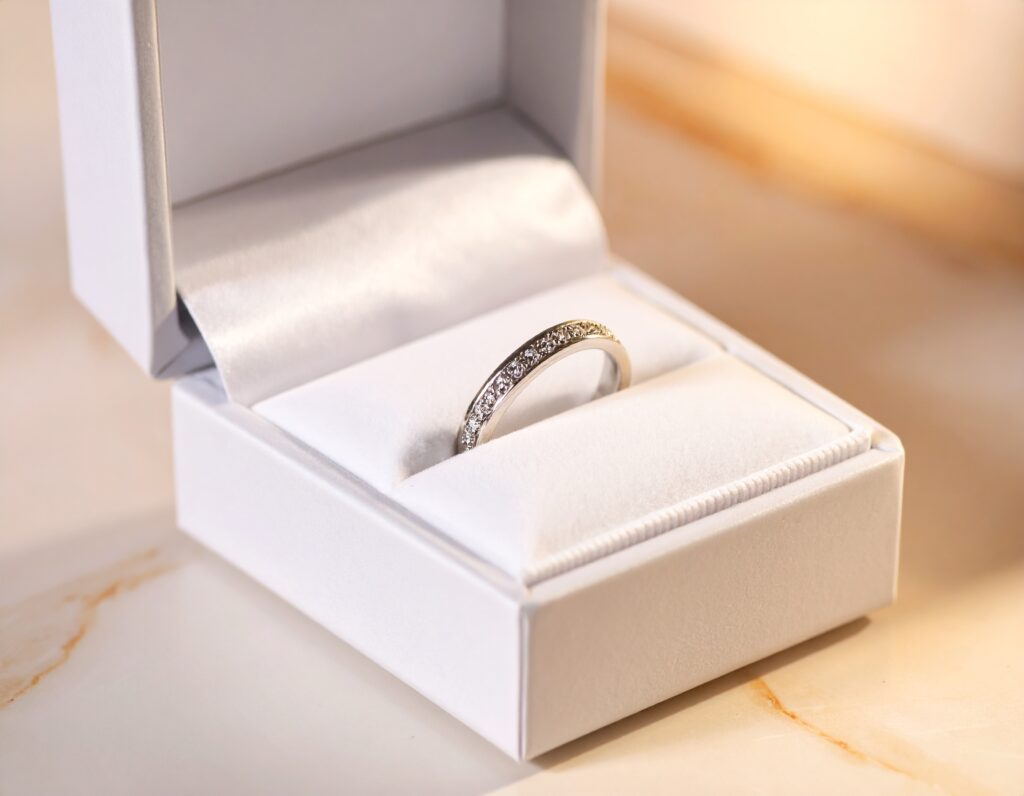
Why Silver Turns Black — and How to Bring Back Its Quiet Shine
Silver has a way of capturing light like no other metal — soft, cool, understated. But over time, even the most beautiful piece can darken, shifting from bright clarity to a muted black. At ESVEILED, we see this not as a flaw, but as part of silver’s living character. Tarnish is a natural reaction — a sign that your piece is made from real, high-quality silver crafted to last.
Still, understanding why silver changes — and how to restore its glow — helps you care for your jewelry with intention.
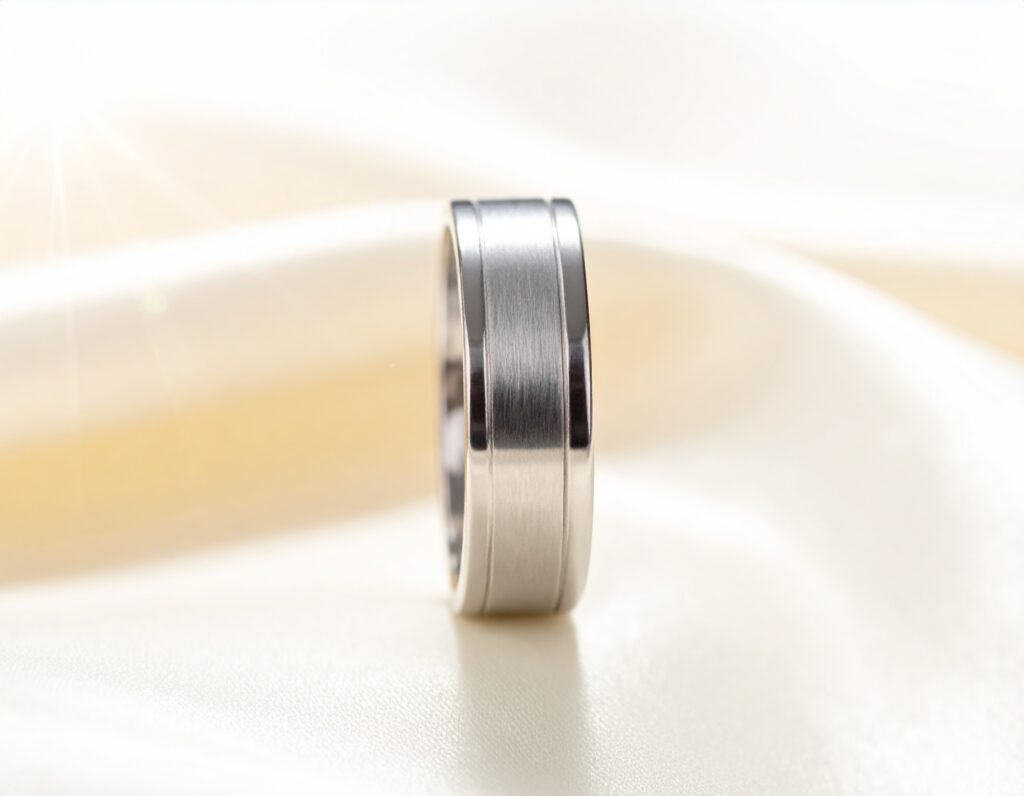
The Natural Chemistry Behind Tarnish
Silver doesn’t rust or decay. Instead, it reacts with sulfur compounds in the air, on your skin, and in everyday environments. This reaction forms a thin layer of silver sulfide — the dark coating you see on the surface.
Sterling Silver: Built for Wear, Prone to Tarnish
Most jewelry is made from sterling silver (925) — 92.5% silver blended with 7.5% copper for strength. Copper is reactive, which is why sterling silver tarnishes faster than pure silver.
Pure Silver Tarnishes Too — Just Slower
Even .999 fine silver will eventually darken. It simply reacts more gently and over a longer period.
A Sign of Authenticity
If your silver turns black, it’s often proof that the piece is genuine. Real silver lives, breathes, and changes — that’s part of its beauty.
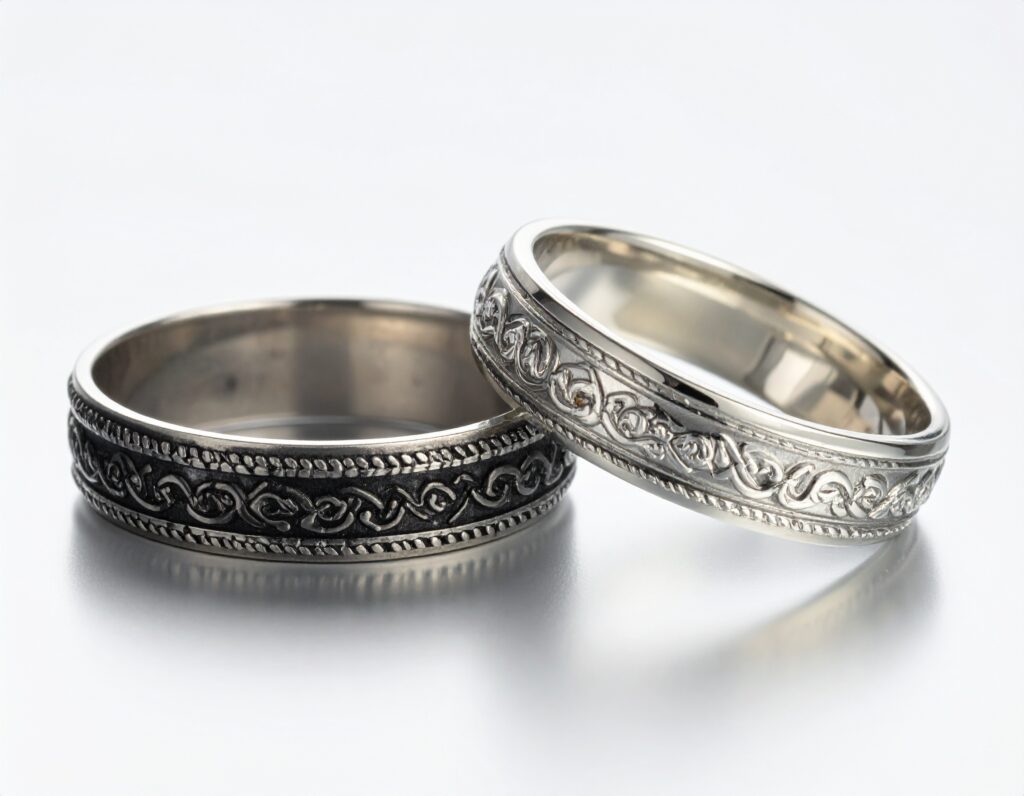
What Accelerates Tarnish
Silver responds to its environment. Some conditions make it darken more quickly.
Your Skin’s Natural Chemistry
Everyone’s pH is different. Some people notice their silver darkens within hours; others barely see a change.
Everyday Products
Perfume, lotion, hairspray, sunscreen, and household cleaners all contain chemicals that speed up tarnish.
Environmental Materials
Rubber bands, leather, wool, and even certain papers release sulfur that interacts with silver.
Humidity & Heat
Warm, damp air encourages faster reactions — especially in summer.
At ESVEILED, we see these marks not as damage, but as the quiet record of a piece being worn, lived in, and loved.
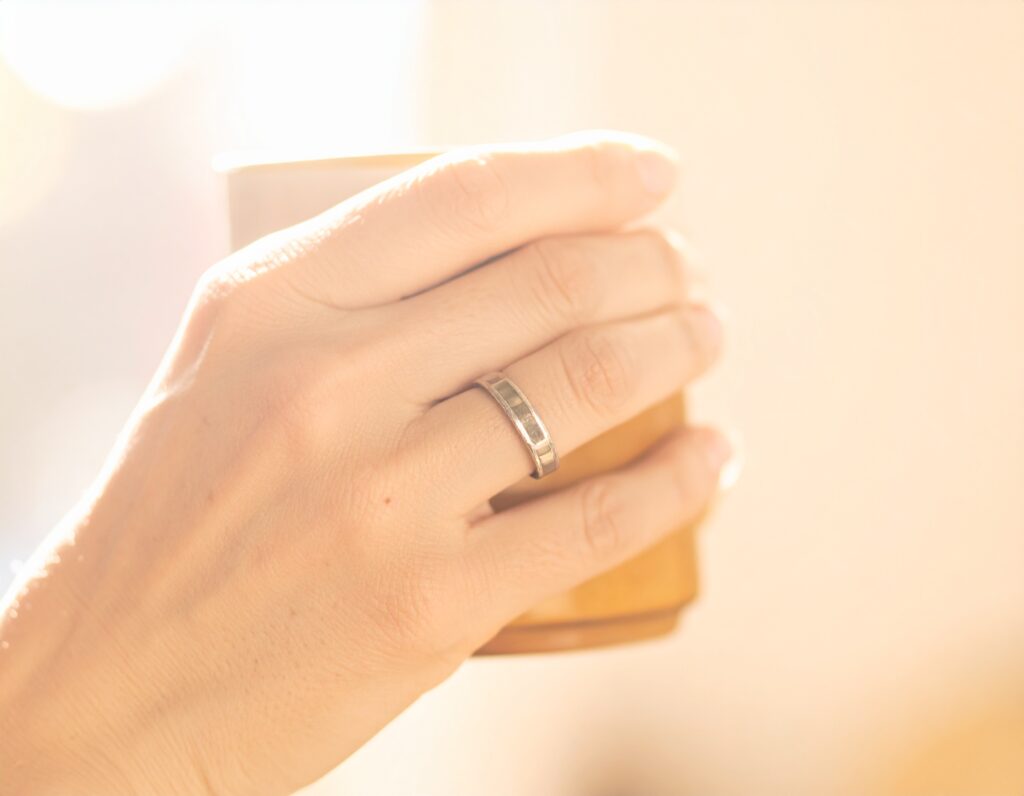
How to Clean Your Silver and Restore Its Glow
Silver is forgiving. With the right care, it returns to its original radiance in minutes.
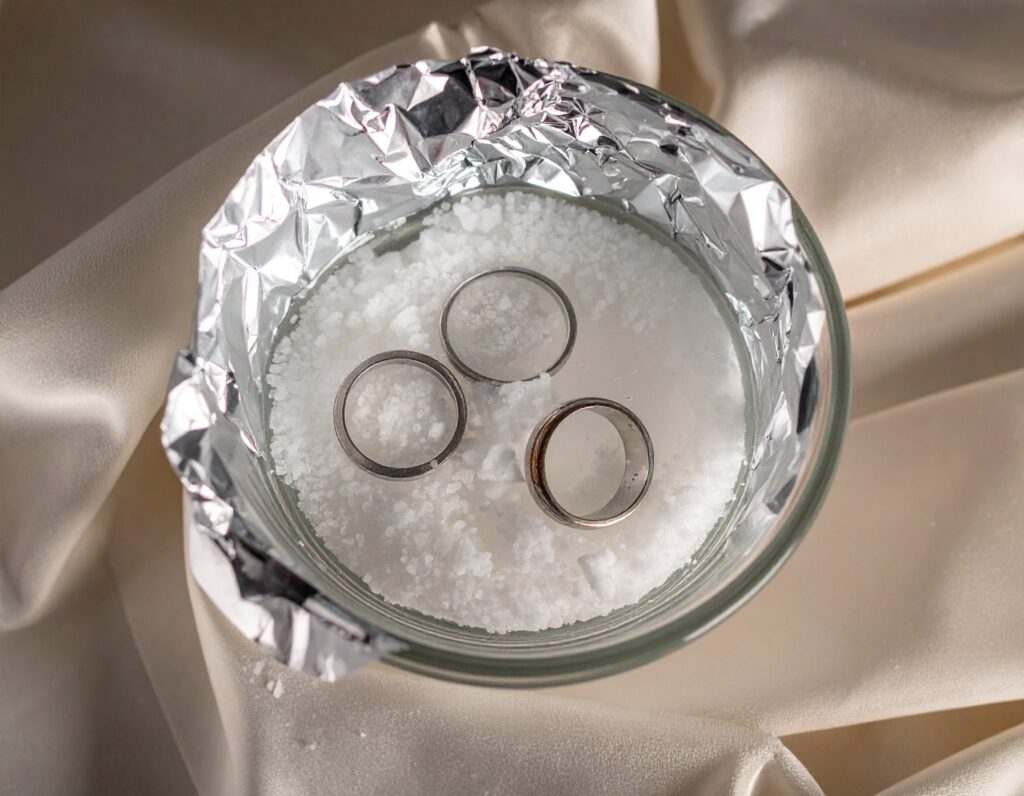
1. The Aluminum Foil Method (ESVEILED Recommended)
A gentle, science-backed way to lift tarnish without abrasion.
How to do it:
- Line a bowl with aluminum foil, shiny side up.
- Place your silver pieces directly on the foil.
- Sprinkle 1 tbsp baking soda + 1 tbsp salt.
- Pour boiling water until everything is submerged.
- Let sit for 3–5 minutes as the tarnish transfers to the foil.
- Rinse, dry, and buff with a soft cloth.
This method restores shine while preserving the integrity of your piece.
2. Mild Soap & Water (For Gemstone Jewelry)
If your silver includes pearls, opals, turquoise, or glued stones, avoid heat and chemicals. Instead:
- Use warm water + mild soap
- Soak for 5–10 minutes
- Gently brush with a soft toothbrush
- Rinse and dry fully
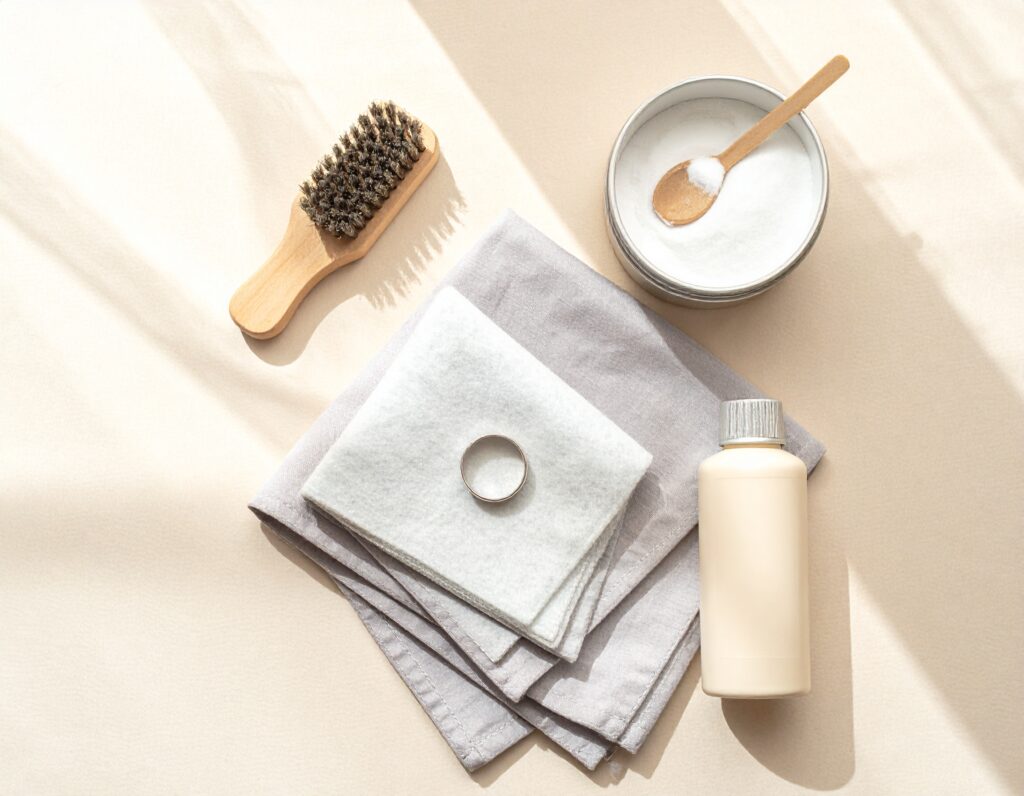
3. Baking Soda Paste (For Heavy Tarnish)
A simple option for flatware or heavily darkened pieces.
- Mix 3 parts baking soda with 1 part water
- Rub gently with a soft cloth
- Rinse and buff
Use sparingly on antique or intentionally oxidized designs.
4. Commercial Silver Cleaners
When you need something stronger:
- Liquid dips — best for chains and intricate details
- Creams/polishes — best for large surfaces and long-lasting protection
Avoid dips on soft stones or vintage oxidized finishes.
A piece that darkens is a piece that’s being worn, touched, and woven into your life.
Silver is a living metal — it reacts, transforms, and returns to brilliance with care. At ESVEILED, we believe this evolution is part of its quiet luxury.
With simple maintenance, your silver will continue to reflect light beautifully for decades.